
Vessels / Technology
Autonomous Shipping Has Entered a New Regulatory Era
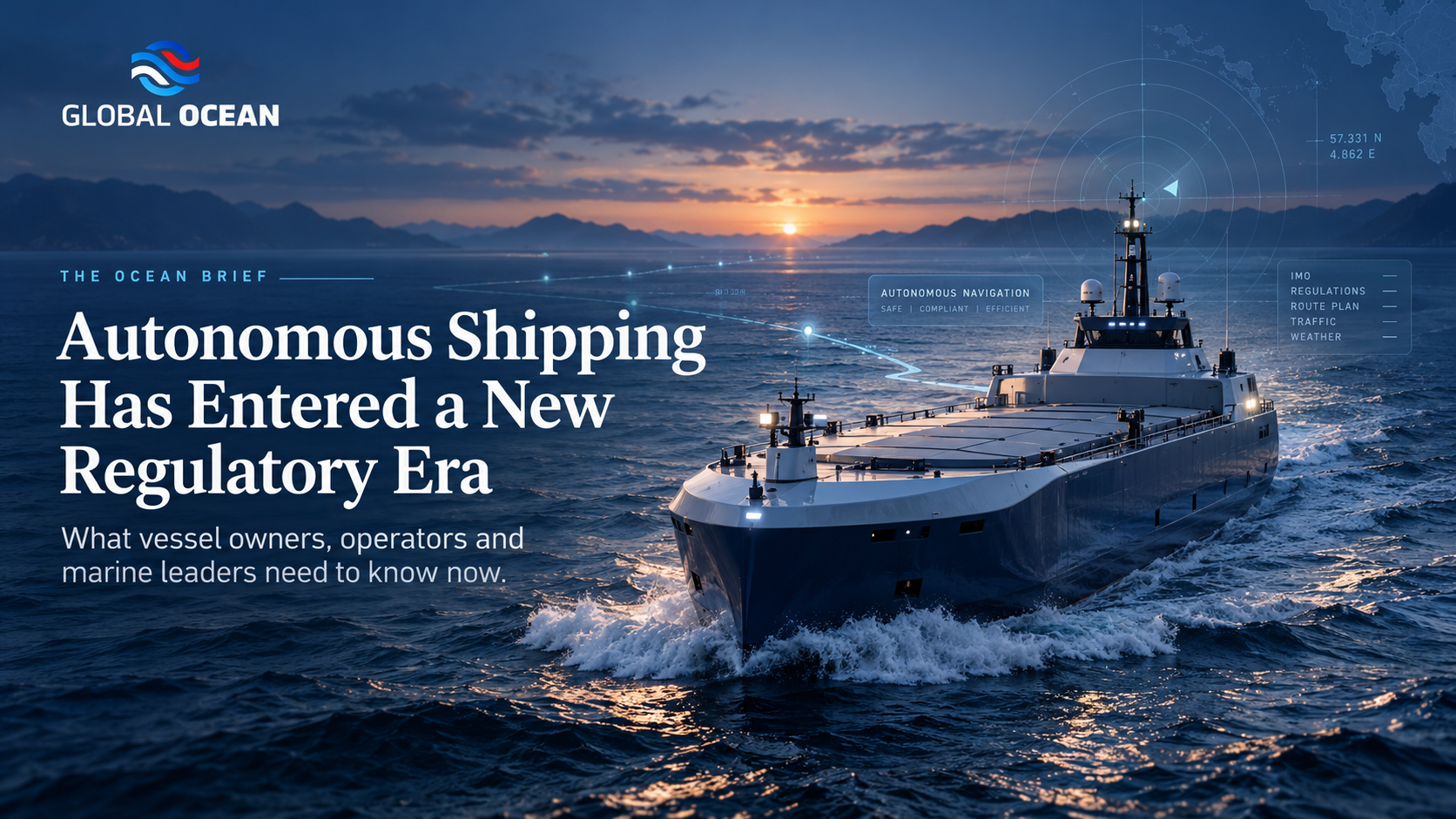
The first global safety code for autonomous ships is now in effect. For vessel owners, designers and operators, the important question is not whether every ship is about to become autonomous. It is how autonomy will begin changing the way vessels are designed, approved and operated.
The Short Version
In May 2026, the International Maritime Organization adopted the first global International Code of Safety for Maritime Autonomous Surface Ships, known as the MASS Code.
The Code came into effect on 1 July 2026.
For the first time, remotely controlled and autonomous commercial vessels now have a dedicated international safety framework addressing how these ships should be designed, operated and certified.
But there is an important distinction.
The current MASS Code is non mandatory.
This is not the moment when autonomous ships suddenly replace conventional fleets.
It is the moment when autonomy moves from largely experimental territory into a much clearer international regulatory framework.
And that matters.
What Happened
The IMO's Maritime Safety Committee adopted the new MASS Code during its 111th session in London in May 2026.
MASS stands for Maritime Autonomous Surface Ship.
The IMO defines a MASS as a vessel that, to some degree, can operate independently of human interaction. That can include remotely operated vessels as well as ships where autonomous technologies perform functions normally carried out by crew onboard.
The Code creates a goal based framework intended to ensure that remotely controlled and autonomous ships achieve safety, security and environmental protection standards comparable to conventional ships.
It covers areas including:
- vessel approval and certification
- risk assessment
- operational context
- system design
- software principles
- safe operations
- navigation
- connectivity
- remote operations
- machinery and electrical systems
- fire protection
- cybersecurity and maritime security
- manning, training and watchkeeping
- search and rescue
- anchoring, towing and mooring
The new framework supplements existing maritime regulation rather than replacing it.
Autonomous vessels must still comply with SOLAS and other applicable IMO requirements.
The initial Code applies primarily to cargo ships covered by SOLAS Chapter I, generally vessels over 500 gross tonnage operating internationally. Governments are also encouraged to apply the principles, where practical, to smaller autonomous vessels.
Why It Matters
Regulation is beginning to catch up with technology.
Autonomous marine technology has been developing for years.
Remote control systems, computer vision, advanced sensors, automated navigation, machine learning and shore based operating centres have all moved forward faster than the international regulatory framework surrounding them.
That creates a problem.
A vessel can technically be capable of doing something long before regulators, insurers, classification societies, operators and port authorities have a common framework for deciding how that capability should be approved and managed.
The MASS Code begins closing that gap.
For shipowners and vessel designers, this is significant because autonomous functionality can increasingly be considered within a more defined regulatory environment.
That does not make implementation simple.
But it makes the conversation more practical.
Autonomous Does Not Necessarily Mean Crewless
This distinction is important.
The conversation around autonomous shipping often jumps immediately to completely unmanned ships crossing oceans.
That is only one end of a much larger spectrum.
A vessel may use autonomous or remotely operated technology for specific functions while still carrying crew.
Examples could include greater automation around:
- navigation
- collision avoidance
- route planning
- machinery monitoring
- engine room functions
- docking assistance
- situational awareness
- remote diagnostics
- equipment operation
The IMO itself makes clear that simply adding advanced automation does not automatically make a vessel a MASS.
The important question is which functions traditionally performed by people are now being performed remotely or autonomously.
That makes the subject relevant far beyond the companies currently developing fully crewless vessels.
What Operators Should Know
1. Vessel design decisions may start changing long before fully autonomous fleets arrive.
The most important impact of autonomy may not initially be removing people from vessels.
It may be changing the architecture of the vessel itself.
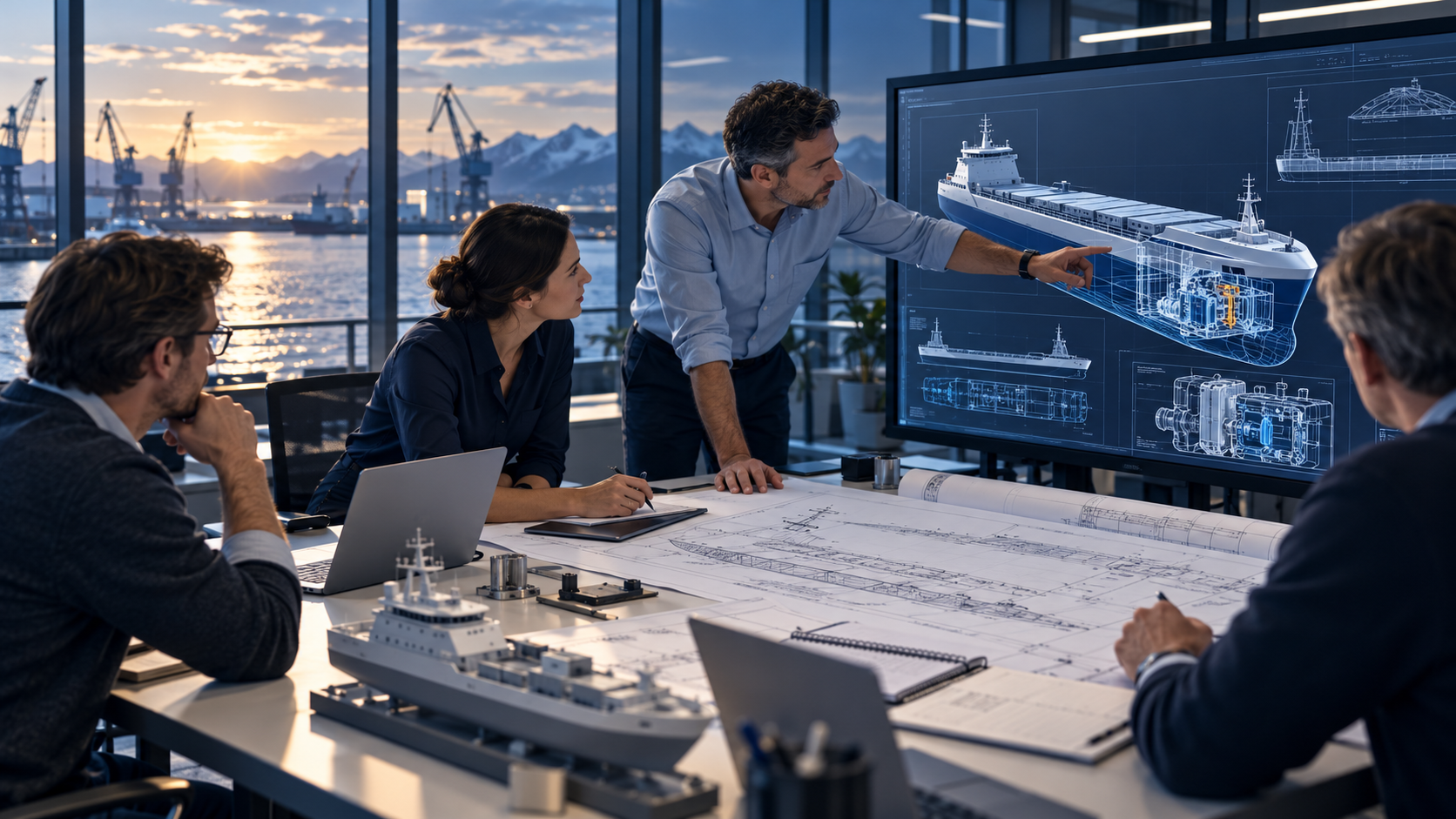
As more functions become automated or remotely supported, designers may need to think differently about:
- sensor placement
- redundancy
- communications
- electrical architecture
- cybersecurity
- bridge systems
- control systems
- remote access
- system failure modes
- human intervention
- onboard versus shore based responsibility
These are not simply software decisions.
They are vessel design decisions.
And the earlier they are considered in a project, the easier they are to integrate properly.
2. Connectivity is becoming part of vessel infrastructure.
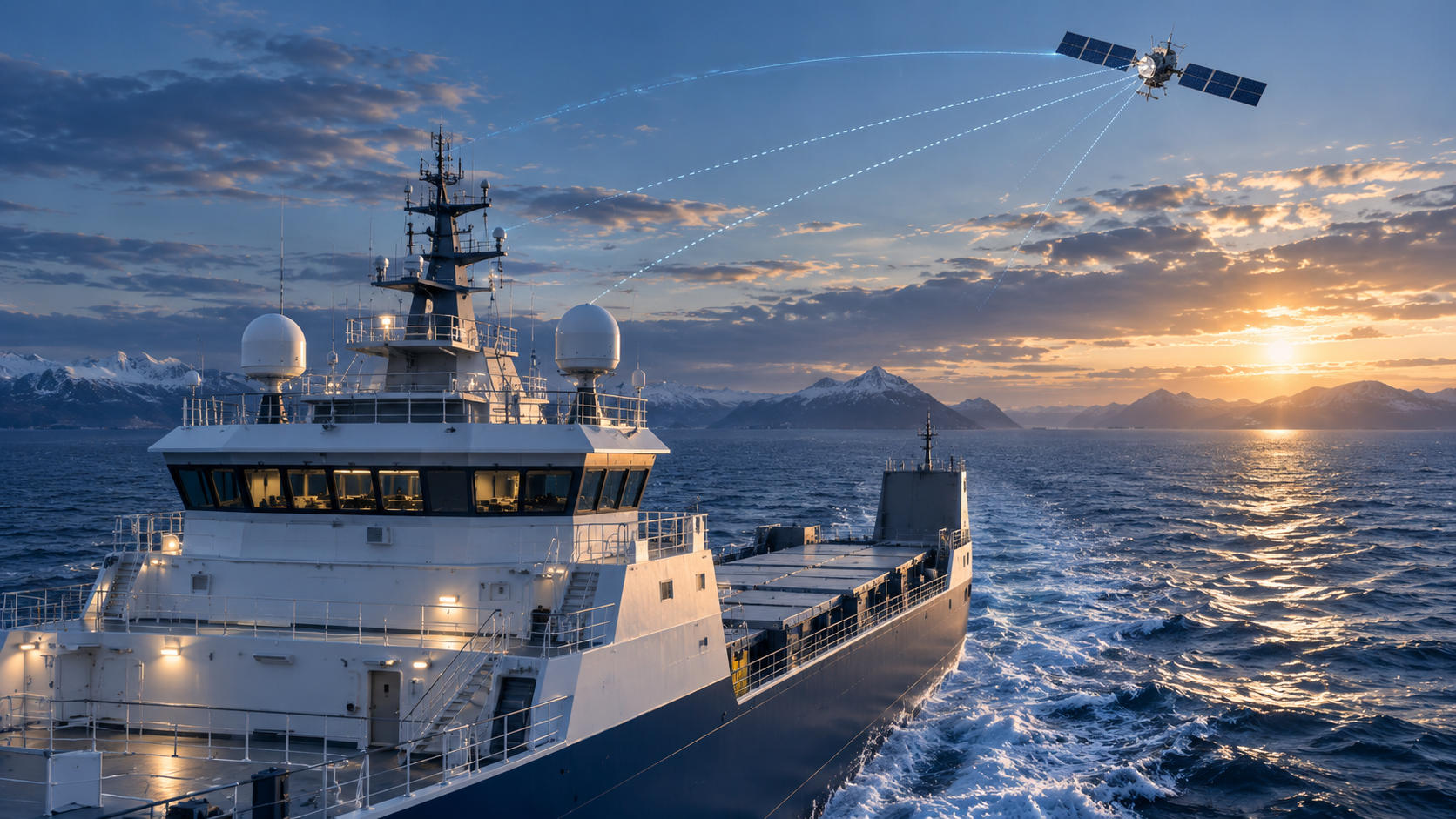
Autonomous and remotely operated systems depend heavily on reliable communication.
That means connectivity is increasingly moving from an operational convenience to part of the safety architecture of the vessel.
The MASS Code specifically addresses connectivity and remote operations.
For designers and operators, that raises practical questions.
What happens when communication is lost?
Which functions continue autonomously?
When does control return to someone onboard?
What redundancy is required?
Where is the remote operator located?
How are commands authenticated?
What happens when multiple systems disagree?
These questions will increasingly sit alongside traditional discussions about engines, propulsion, stability and electrical systems.
3. The human element is not disappearing.
One of the biggest misconceptions around autonomous shipping is that autonomy removes people from the equation.
In reality, it often changes where the person sits and what they are responsible for.
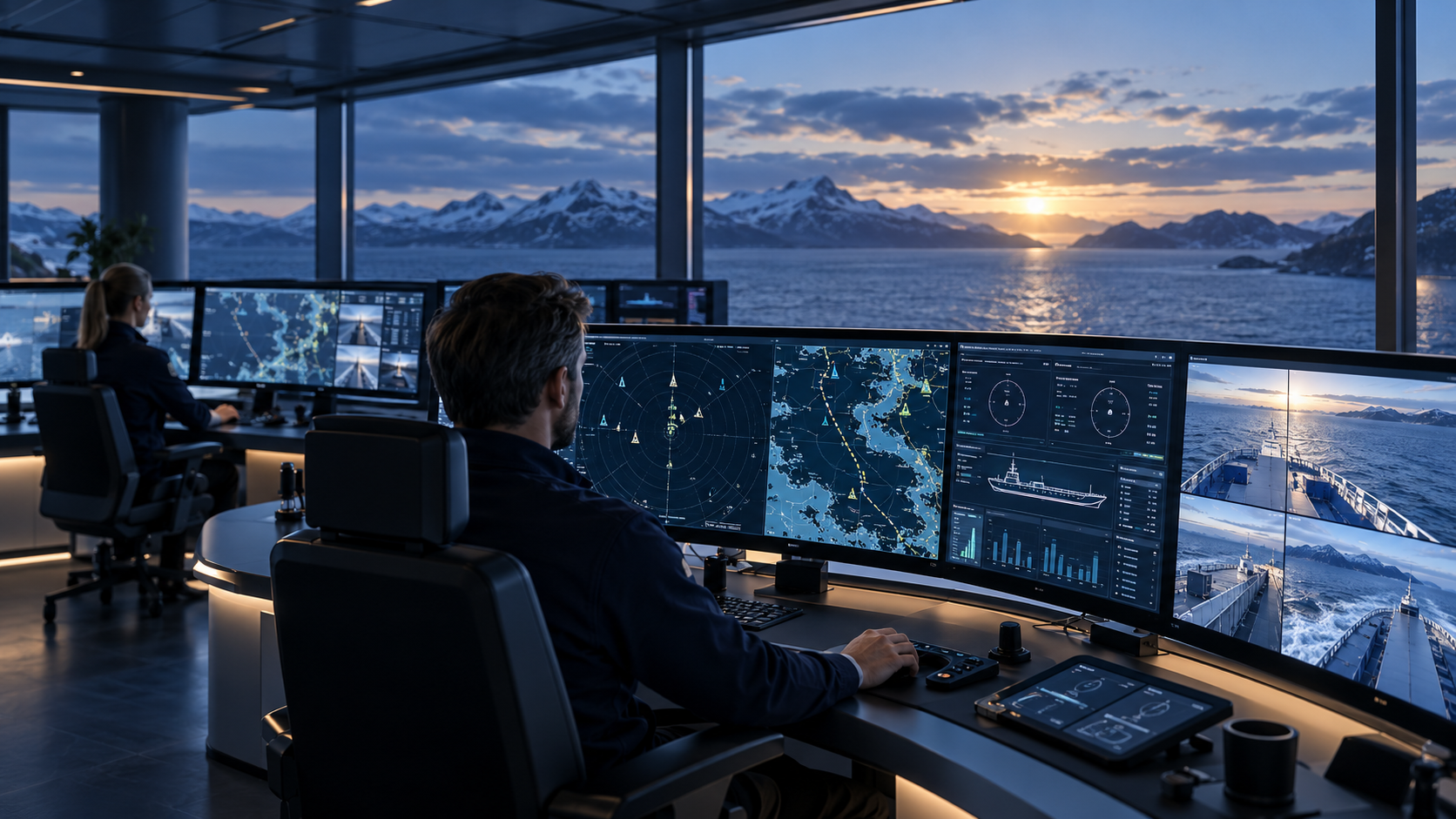
Some functions may move from the bridge to a remote operations centre.
Others may be handled automatically while people supervise exceptions.
Crew requirements may change.
Training requirements may change.
Maintenance requirements may change.
The relationship between onboard teams and shore based technical teams may change.
The IMO has deliberately kept accountability and the human element central to the emerging framework.
Autonomy does not remove responsibility.
It redistributes it.
4. Cybersecurity becomes operational safety.
The more vessel functions depend on connected software, sensors and remote control, the less useful it becomes to think about cybersecurity as a separate IT issue.
A compromised office computer is an IT problem.
A compromised vessel control system can become an operational and safety problem.
Future marine engineering will increasingly require physical systems and digital systems to be considered together.
That is particularly important when navigation, propulsion, machinery or critical vessel functions become remotely accessible.
5. Operators should avoid designing around technology simply because it exists.
The availability of autonomous technology does not automatically create a business case for using it.
The better question is:
What operational problem are we trying to solve?
Perhaps the objective is improving safety.
Perhaps it is reducing crew exposure in hazardous environments.
Perhaps it is improving route efficiency.
Perhaps it is enabling remote monitoring.
Perhaps it is addressing workforce constraints.
Perhaps it is improving reliability or reducing operating costs.
The technology should follow the operational requirement.
Not the other way around.
What Happens Next
The current MASS Code is deliberately non mandatory.
The IMO is using this stage to allow governments and the industry to build experience before a mandatory framework is finalized.
The current roadmap includes an experience building phase, followed by work on a mandatory MASS Code beginning in 2028.
The IMO currently expects the mandatory code to be adopted by 1 July 2030, with entry into force targeted for 1 January 2032.
That may sound distant.
In shipbuilding terms, it is not.
Vessels designed today may still be operating decades from now.
Technology selected during an upcoming newbuild program could therefore remain onboard well into the period when autonomous shipping regulation becomes significantly more mature.
For operators planning long life assets, the discussion should begin before regulation becomes mandatory.
The Global Ocean View
Autonomy should begin with the operation, not the technology.
There is a temptation whenever a new technology becomes possible to start with the technology itself.
We believe marine projects should start somewhere else.
What does the operation need the vessel to do?
Then:
What technology improves that operation?
What should remain human controlled?
What can safely be automated?
What redundancy is required?
How will the vessel be maintained?
What happens when a system fails?
What does the operating environment demand?
Those questions should shape the vessel.
Autonomy is ultimately another layer of systems integration.
Navigation, software, sensors, communications, electrical systems, mechanical systems and people all have to work together.
That makes early engineering more important, not less.
The future may contain vessels with significantly greater levels of autonomy.
But successful vessels will still depend on an old principle:
Design the vessel around the operation.
The Bottom Line
The MASS Code does not mean autonomous shipping has suddenly arrived everywhere.
It does mean something important has changed.
The industry now has its first global safety framework specifically designed for remotely controlled and autonomous commercial ships.
Technology will continue to develop.
Regulation will continue to evolve.
Different vessel classes and operating environments will adopt autonomy at different speeds.
For vessel owners, operators and designers, the opportunity now is not to chase autonomy for its own sake.
It is to begin understanding where autonomy genuinely improves safety, performance and operations, and how those decisions should influence the next generation of vessels.
Worth Watching
Over the next several years, watch for:
The MASS experience building phase
How governments and operators apply the non mandatory Code in practice.
Classification requirements
How class societies translate the framework into design and approval requirements.
Remote operations centres
How responsibility, staffing and control are structured ashore.
Cybersecurity
How connected vessel systems are protected as remote capability increases.
Human roles
How training, watchkeeping and vessel staffing evolve alongside automation.
The mandatory MASS Code
Development begins from 2028, with adoption currently targeted by 2030.
Sources referenced in the supplied article. Regulatory information reflects the supplied copy.