
Aquaculture / Fish Health / Engineering
Fish Health Is Not Just a Biology Problem. It’s an Engineering Problem Too.
The fish do not experience equipment specifications. They experience oxygen, flow, pressure, handling, feeding and water quality. New research is making the connection between farm infrastructure and fish welfare increasingly difficult to ignore.
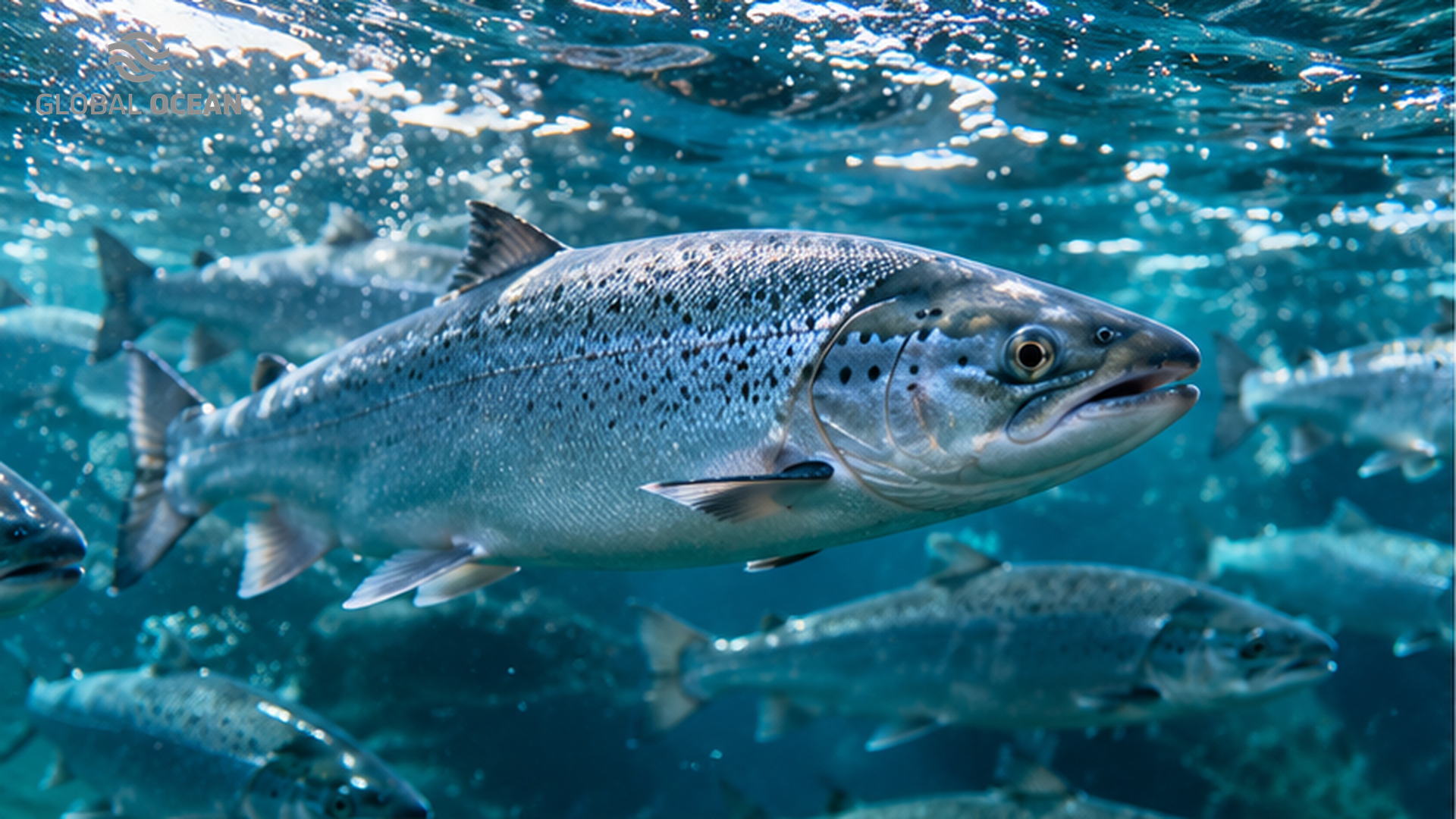
In Brief
Good fish health starts with biology.
But it does not end there.
The equipment surrounding the fish influences the environment they experience every hour of every day.
Oxygen systems affect respiration and appetite.
Pumps affect water movement.
Feed systems affect nutrition and waste.
Sensors influence what operators know.
Pipes and handling equipment determine how fish are moved.
Cameras can help identify health changes before they become obvious.
And poor system design can turn routine farm operations into welfare events.
Recent 2026 research is making that relationship increasingly measurable.
One study found that mechanical impacts on Atlantic salmon moving through pipe based treatment systems increased as water flow rates increased, demonstrating that seemingly small equipment settings can change the physical stress experienced by fish.
Another found that chronic low oxygen reduced both feed intake and growth even when salmon physiologically adapted to the conditions.
The lesson is bigger than either study.
The equipment is not separate from fish health.
It creates the environment fish have to live in.
A Healthy Fish Still Depends on the System Around It
Aquaculture understandably puts enormous focus on genetics, feed, veterinary care and disease prevention.
All of those things matter.
But consider what a fish actually experiences on a commercial farm.
- Water moving across its gills.
- Available oxygen.
- Temperature.
- Current.
- Stocking density.
- Feed delivery.
- Pumping.
- Crowding.
- Transfers.
- Treatment systems.
- Pipes.
- Valves.
- Cameras.
- Lighting.
- Noise.
Every one of those can be influenced by equipment.
That means infrastructure decisions can eventually become biological outcomes.
A poorly positioned sensor may fail to identify deteriorating water conditions.
A poorly configured pump may create unnecessary stress.
An aggressive handling system can cause impacts.
Inadequate oxygen can suppress appetite and growth.
The equipment may be mechanical.
The consequence is biological.
Oxygen Is a Health System
Dissolved oxygen is one of the clearest examples.
A major 2026 review of hypoxia in Atlantic salmon aquaculture concluded that low oxygen can affect appetite, growth, stress response, immune function, disease resilience and mortality risk.
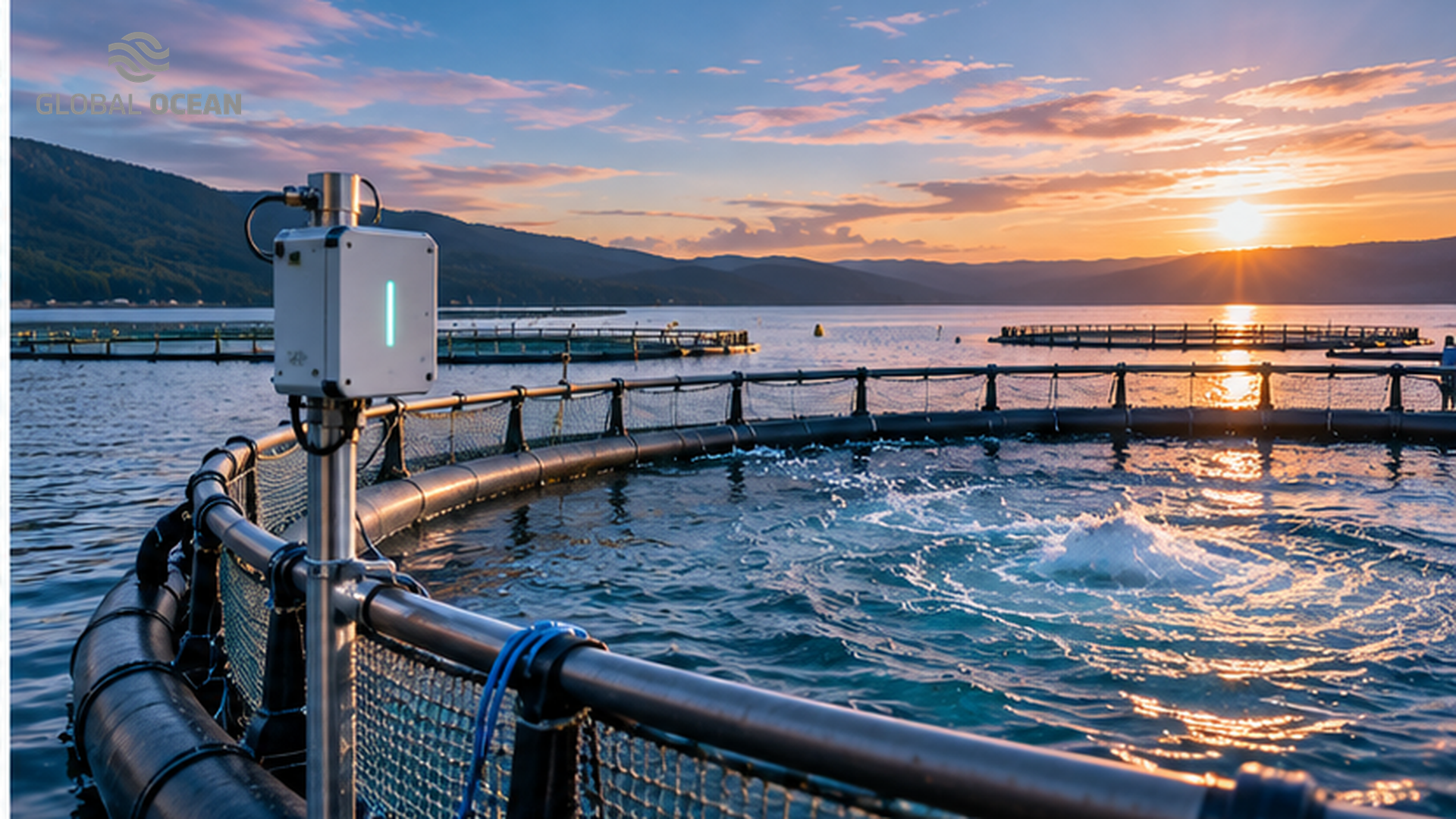
The same review identifies oxygenation, aeration, better monitoring, improved system design and predictive management as important tools for reducing those risks.
Another 2026 experiment exposed seawater Atlantic salmon to mild and moderately low oxygen conditions for approximately three months.
The fish adapted physiologically.
But they ate less and grew less.
That distinction is commercially important.
A farm does not need to experience a catastrophic mortality event for infrastructure to be affecting performance.
The fish can appear to be surviving.
The system can appear to be operating.
But growth may already be compromised.
The Sensor Is Only Useful If You Can Trust It
Modern farms increasingly depend on environmental monitoring.
But installing more sensors does not automatically create better information.
A 2026 study examining dissolved oxygen monitoring on Atlantic salmon farms found significant issues around data quality, sensor coverage and the operational usefulness of the information being collected.
Researchers noted that poor quality environmental data can lead to poor operating decisions, including unnecessary feeding, poorly timed handling or missed opportunities to protect fish welfare.
There is an important lesson here.
The right equipment is not simply more equipment.
A farm with fourteen poorly maintained sensors may understand less than a farm with a smaller, properly designed monitoring system.
Placement matters.
Calibration matters.
Maintenance matters.
Data quality matters.
And the information has to lead to an operational decision.
Otherwise, the farm has created another dashboard rather than another layer of protection.
Handling Equipment Can Become a Welfare Issue
Fish health does not only depend on the environment where fish live.
It also depends on what happens when they are moved.
Atlantic salmon may pass through pumps, pipes, valves, treatment systems, well boats and processing equipment multiple times during production.
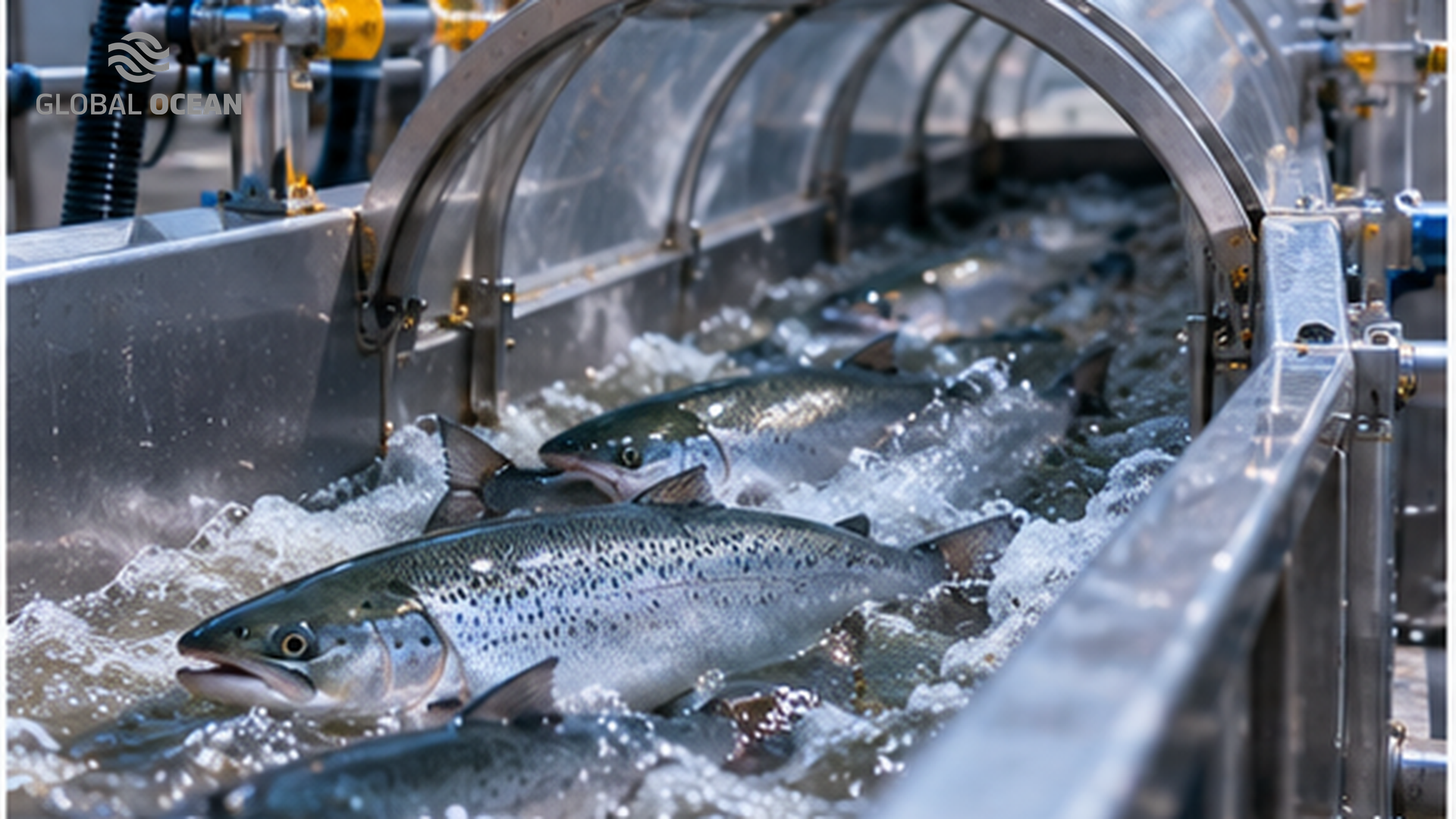
Those moments can be some of the most physically demanding periods of the production cycle.
In research published in 2026, scientists used sensor tags to measure impacts experienced by Atlantic salmon passing through a pipe based delousing system.
They identified areas of the system where fish experienced mechanical impacts and found that increasing water flow rates could increase both the number and intensity of those impacts.
That makes an important point.
Two farms can own similar equipment.
One can operate it well.
The other can expose fish to unnecessary stress.
Equipment selection matters.
Equipment configuration matters.
How the equipment is operated matters too.
Even Pressure Can Become a Fish Health Variable
Another 2026 study examined something most people outside the industry would rarely associate with fish welfare:
Pressure.
Researchers studying simulated well boat loading found that rapid decompression could induce gas bubble disease in Atlantic salmon.
Signs included changes in behaviour and gas bubbles in blood, gills and fins, with mortality appearing under prolonged exposure in the experimental conditions.
Again, this is not simply a biological problem.
It is an engineering and operating problem.
Pressure management.
Pumping.
Transfer methods.
Equipment configuration.
Process duration.
All can become welfare variables.
The fish do not know they are travelling through a well designed piece of equipment.
They only experience what that equipment does to them.
Better Monitoring Can Find Problems Earlier
The same connection between technology and health can work in the opposite direction.
Good equipment can provide operators with information that was previously extremely difficult to capture.
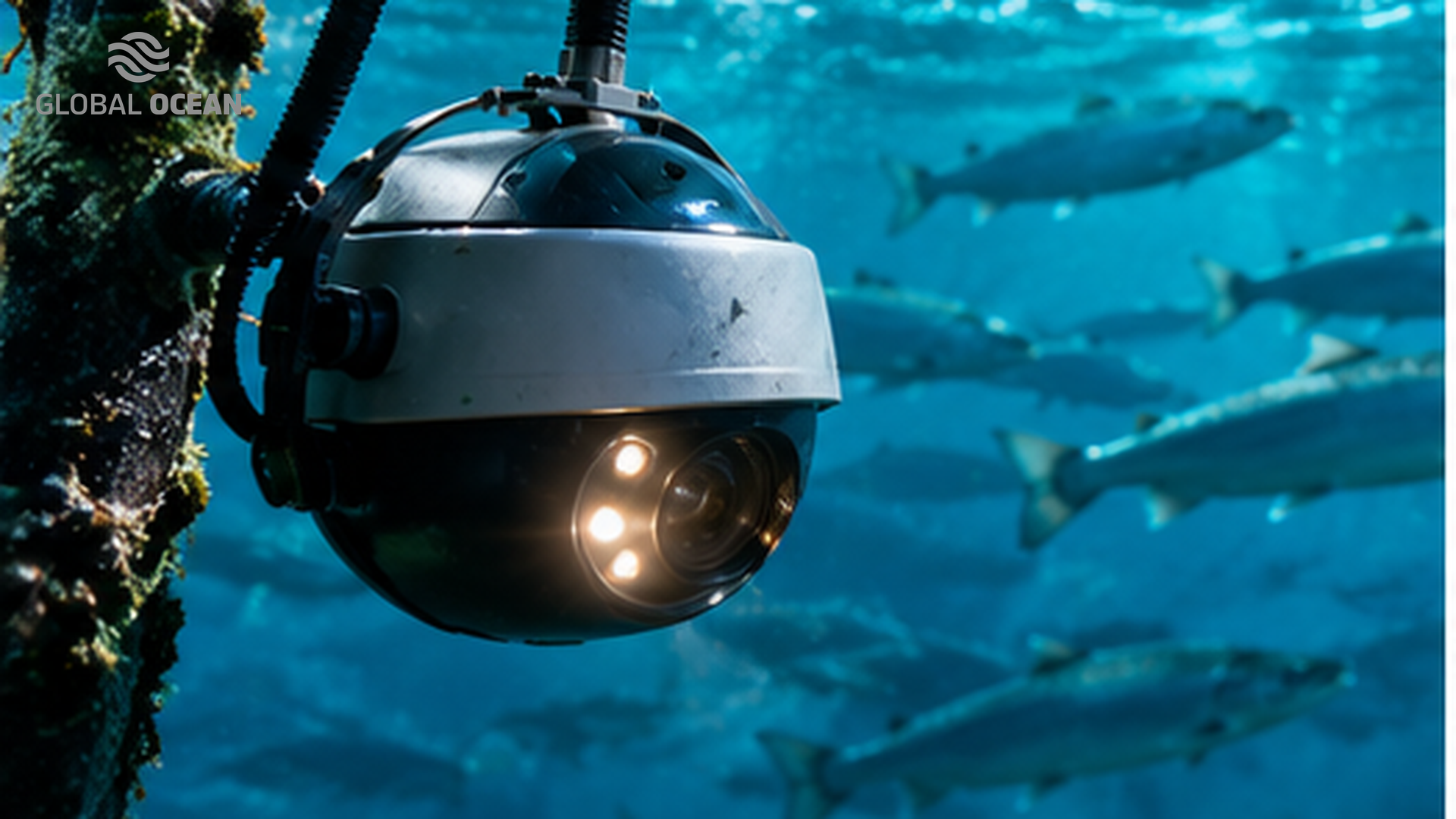
In 2026, researchers demonstrated that camera based monitoring of Atlantic salmon respiration could be used as a non invasive indicator of gill health.
Fish challenged with amoebic gill disease showed consistent increases in respiratory frequency, suggesting cameras may eventually help identify developing gill health problems without repeatedly handling fish.
This is where modern aquaculture becomes especially interesting.
The camera is no longer just a camera.
The oxygen sensor is no longer just a sensor.
The feeding system is no longer simply a feed delivery mechanism.
Once these systems begin working together, the farm gains another level of visibility.
And potentially another level of control.
Better Equipment Does Not Automatically Mean Better Welfare
There is an important warning here.
Technology alone does not solve fish health problems.
A 2026 study comparing Atlantic salmon raised to harvest size in a semi closed prototype cage and conventional conditions found lower mortality in the semi closed system.
But some welfare scores were worse.
The researchers linked this partly to rougher sampling methods used in the semi closed cage.
That finding is valuable because it prevents an overly simple conclusion.
A more advanced production system does not automatically produce better welfare.
Every process around that system still matters.
Handling.
Sampling.
Maintenance.
Training.
Monitoring.
Operating procedures.
Fish welfare is produced by the whole operation, not one piece of technology.
The Right Equipment Is Not Necessarily the Most Expensive Equipment
This distinction matters commercially.
Good engineering is not about installing every available technology.
It is about choosing the equipment the operation actually needs.
That means understanding:
- What species and biomass will the system support?
- What oxygen demand should be expected?
- How will water move?
- How will fish be transferred?
- What operating pressures will they experience?
- How will feed be delivered?
- Where should sensors be located?
- What happens if a critical system fails?
- How quickly can equipment be serviced?
- What redundancy is required?
- What will the operator actually be able to maintain?
The most technically advanced equipment in the world is of little value if it is poorly integrated, difficult to service or unsuitable for the operating environment.
Right sized. Right specified. Properly integrated.
That is more important than simply buying more technology.
The Global Ocean View
Fish Experience the System, Not the Specification Sheet.
There is a tendency to separate aquaculture into biology on one side and engineering on the other.
In reality, the fish experience both at the same time.
They experience the oxygen system as oxygen availability.
They experience the pump as water movement.
They experience the pipe as acceleration and impact.
They experience the feeding system as access to nutrition.
They experience the monitoring system through the decisions the operator makes because of it.
And they experience equipment failure immediately.
That is why we believe fish welfare has to be considered at the engineering stage.
Not after the farm is built.
Not once mortality increases.
Not when a system begins underperforming.
From the beginning.
What environment are we creating for the fish?
Then:
What equipment, engineering and redundancy are required to maintain it?
That is the better design question.
Equipment Should Work as a System
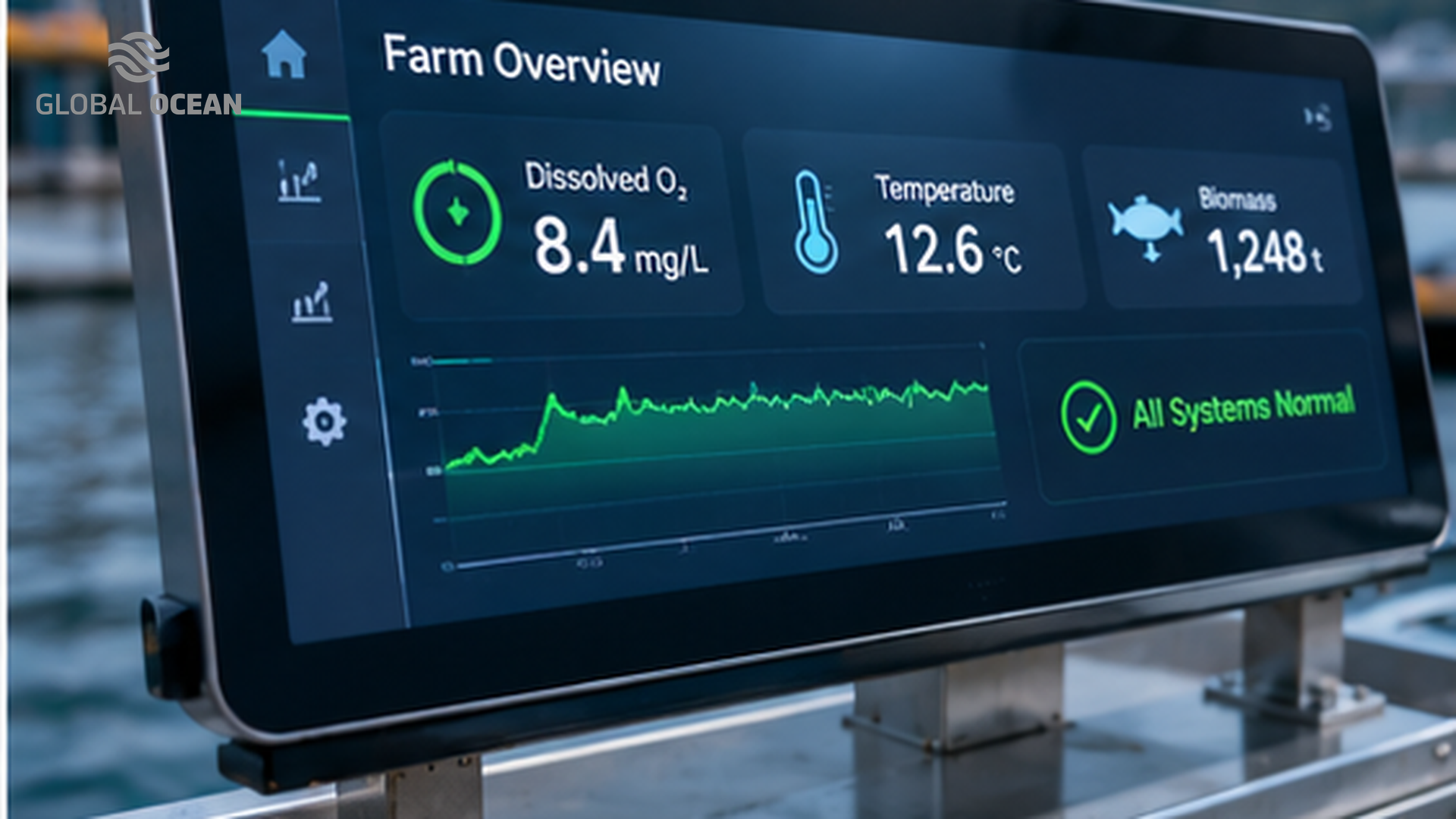
A modern aquaculture operation may contain:
- Oxygen generation.
- Aeration.
- Pumps.
- Feed systems.
- Cameras.
- Environmental sensors.
- Power generation.
- Backup power.
- Piping.
- Filtration.
- Treatment equipment.
- Handling systems.
- Moorings.
- Control systems.
Individually, each may perform perfectly.
But the farm does not operate individually.
If the oxygen system depends on power, power requires redundancy.
If oxygen data depends on sensors, those sensors need proper positioning and maintenance.
If feeding decisions depend on oxygen conditions, the information has to move between systems.
If fish handling increases oxygen demand, operations need to understand the conditions before treatment begins.
The objective is not a farm filled with good equipment.
It is a farm where the equipment works together.
What We’re Watching
Non invasive Fish Health Monitoring
Cameras and computer vision could increasingly identify respiratory, behavioural and welfare changes without repeated handling.
Smarter Handling Systems
Sensor fish and impact monitoring may allow operators and equipment manufacturers to identify stress points inside pumping and treatment systems.
Oxygen + Feeding
As oxygen modelling improves, feeding strategies may increasingly respond to actual environmental capacity rather than temperature and biomass alone.
Predictive Welfare
Environmental, behavioural and equipment data could eventually identify deteriorating conditions before visible welfare problems develop.
Equipment Validation
Expect greater pressure on technology suppliers to demonstrate not simply that equipment functions, but how it affects the fish moving through or living around it.
Integration
The biggest opportunity remains connecting biological information to the infrastructure capable of responding to it.
The Bottom Line
Healthy fish require more than good genetics and good feed.
They require the right environment.
And increasingly, that environment is created and controlled by engineering.
- Oxygen.
- Water.
- Power.
- Feeding.
- Monitoring.
- Handling.
- Pumping.
- Redundancy.
- Maintenance.
Every equipment decision has the potential to become an operational decision.
And some operational decisions eventually become fish health outcomes.
The best aquaculture infrastructure should therefore do more than function.
It should help create the conditions for fish to perform.
Sources referenced in the supplied article. Regulatory information reflects the supplied copy.