
Vessels / Engineering / Technology
Methanol, Ammonia, Hydrogen or Hybrid: The 20-Year Vessel Decision With No Clear Winner
Shipowners are being asked to make long-life capital decisions while fuels, infrastructure and regulation are still moving. The smartest decision may not be predicting the winner. It may be designing a vessel that does not depend on being right.
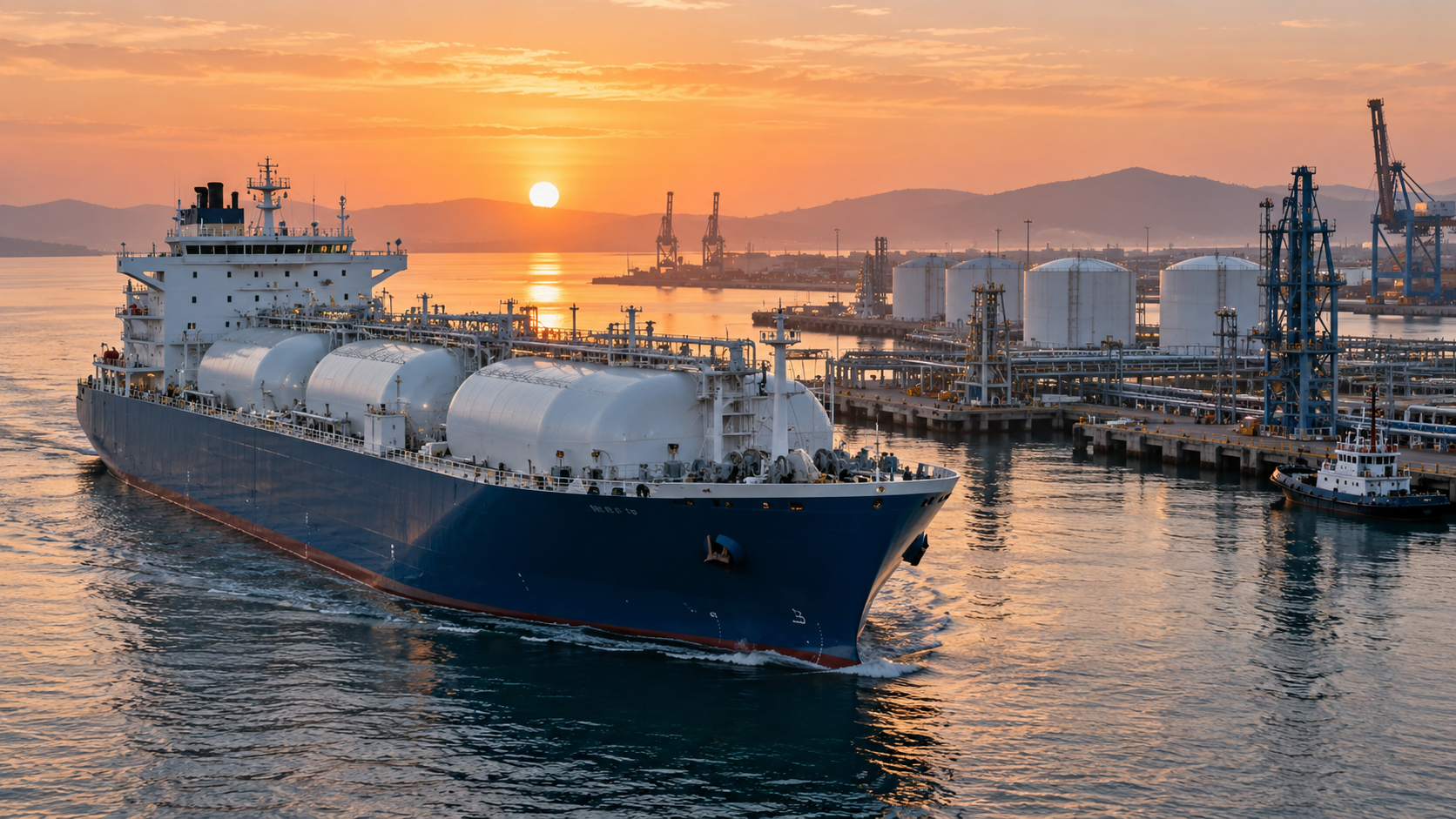
In Brief
The marine fuel transition is real.
The outcome is not settled.
Methanol has moved furthest toward commercial adoption among the newer alternatives. Ammonia and hydrogen are progressing, but both introduce significant safety, infrastructure and vessel-design challenges. Hybrid systems offer something different: the ability to improve efficiency and retain flexibility without betting the entire vessel on one future fuel.
DNV's 2026 Maritime Forecast to 2050 puts the challenge in stark terms. Ships ordered today may still be operating beyond 2050, while many of the regulations, fuel markets and technologies that will determine their economics are still evolving.
So the strategic question has changed.
It is no longer:
Which fuel will win?
It is:
How do you make a 20-year vessel decision when nobody knows the final answer?
The Real Risk Is Lock-In
Fuel choice is no longer just an engine-room decision.
It can influence the architecture of the entire vessel.
Tank volume. Range. Machinery arrangement. Deck or cargo space. Ventilation. Fire protection. Electrical systems. Crew requirements. Bunkering. Maintenance. Capital cost.
By the time propulsion is treated as a late-stage equipment decision, some of the most important compromises may already have been made.
That is why the strongest question is not:
What technology should we install?
It is:
What does this vessel need to do for the next two decades, and how much uncertainty does the design need to survive?
That distinction matters.
Methanol Has Momentum
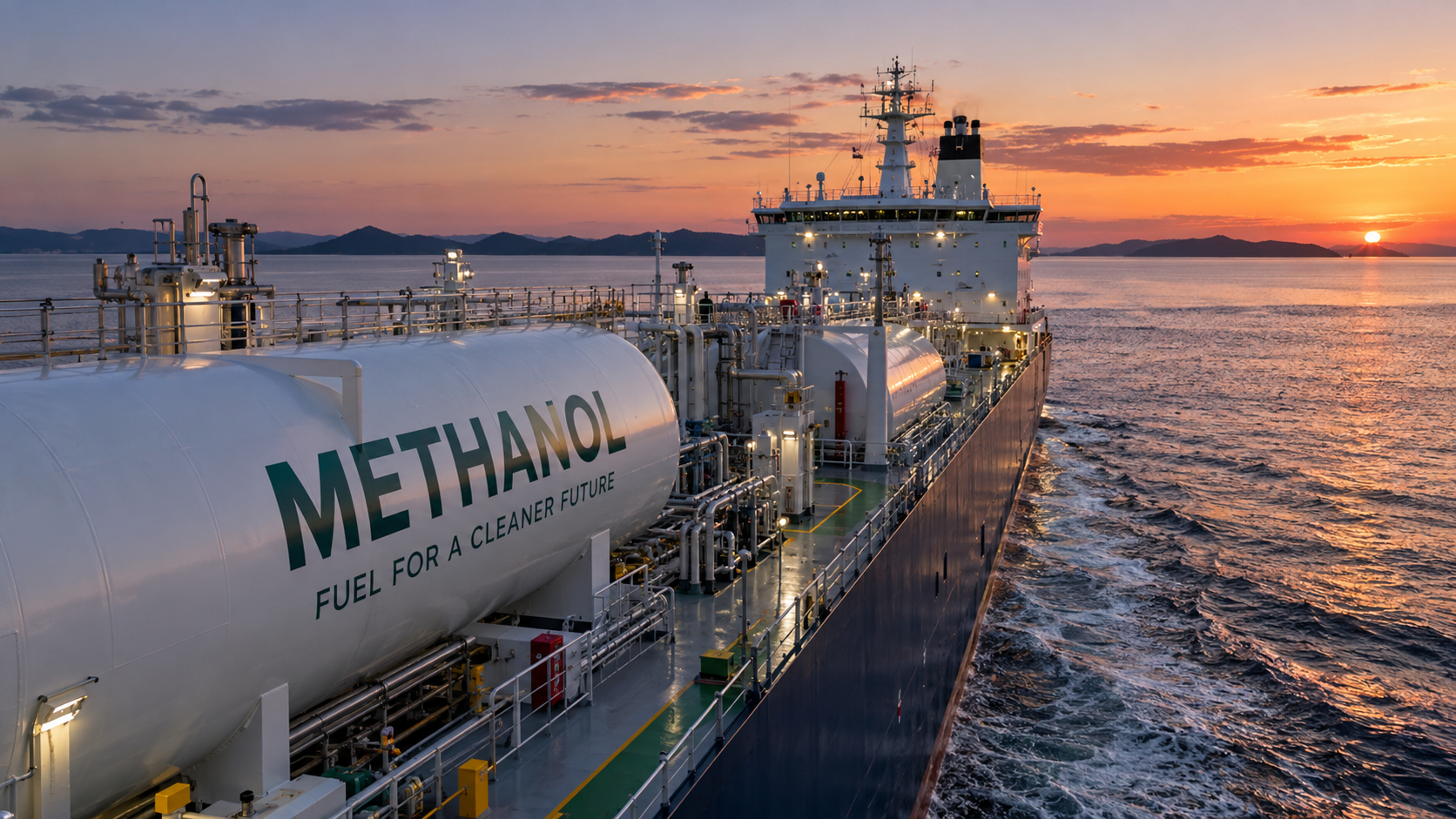
Of the emerging options, methanol has moved furthest toward commercial scale.
DNV reports more than 450 methanol-capable vessels in operation or on order, with technical solutions now available across major vessel types. Ship-related technical barriers have fallen considerably.
That makes methanol increasingly credible for owners making near-term newbuild decisions.
But there is an important catch.
A methanol-capable vessel is not automatically a low-carbon vessel.
The emissions benefit depends on how the methanol is produced.
Fossil methanol and low-GHG bio or e-methanol are very different propositions.
The harder commercial question is therefore not whether the engine can burn it.
It is whether enough low-GHG methanol will be available in the right ports, at the right price, over the life of the vessel.
DNV's 2026 forecast identifies fuel availability and cost as major uncertainties in the transition and notes that future demand could vary enormously depending on regulation.
Technology readiness does not guarantee fuel readiness.
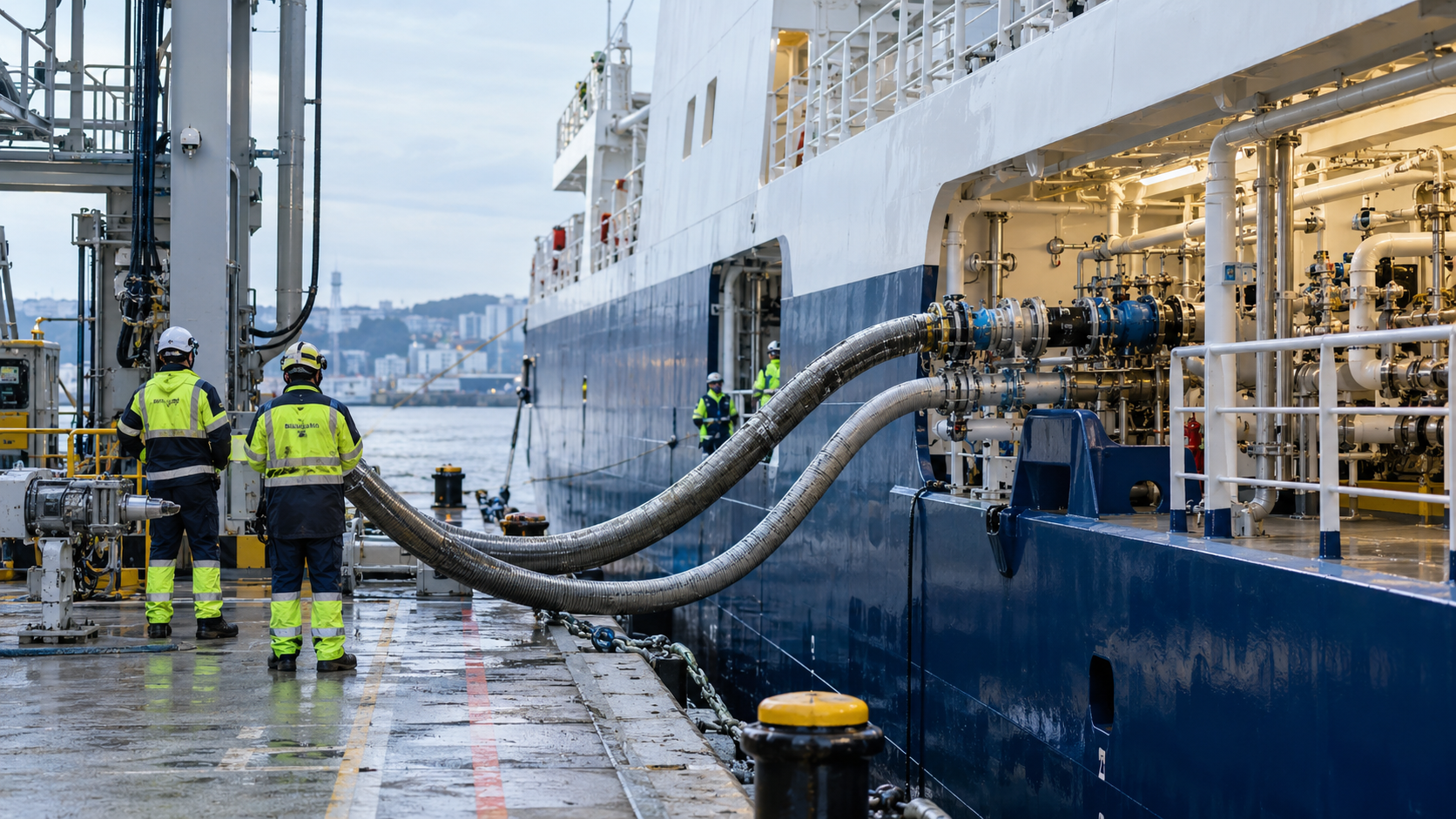
Ammonia Changes More Than the Engine
Ammonia has significant appeal because the molecule contains no carbon.
It also introduces a very different risk profile.
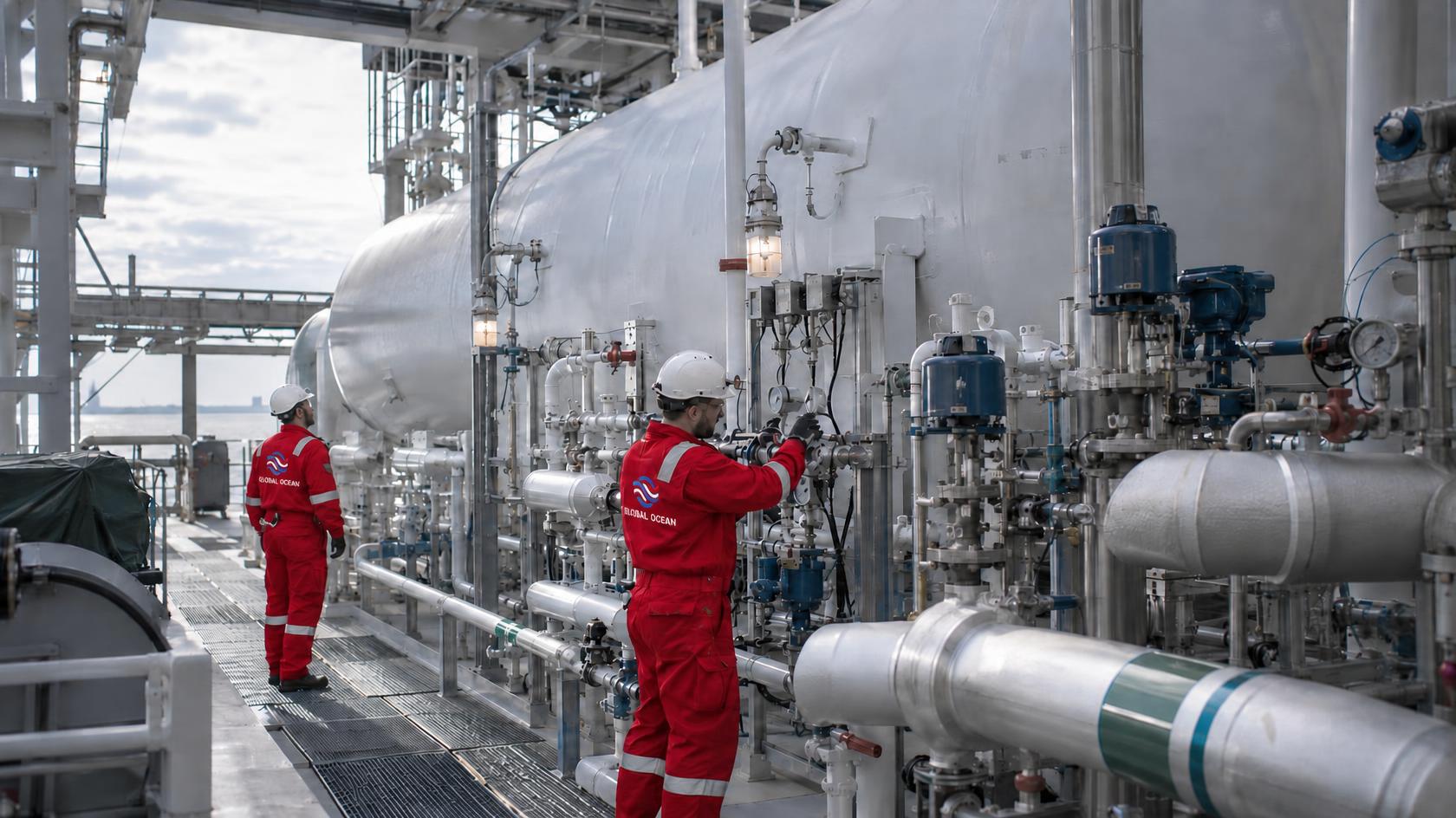
Ammonia is toxic. Its use affects containment, ventilation, leak detection, emergency response, bunkering procedures, machinery arrangements and crew competence.
DNV says both ammonia and hydrogen require increased attention to safety during vessel design, construction and operation, while the regulatory environment continues to mature.
The industry is progressing. In 2026, IMO work also advanced safety guidance and seafarer-training provisions for alternative fuels, including ammonia.
But the wider point for owners is important:
A propulsion choice can change the operating model of the vessel.
If the fuel changes training, emergency procedures, port requirements and onboard systems, those implications belong in the business case from the beginning.
Hydrogen Could Be Powerful Where the Operation Fits
Hydrogen offers compelling zero-emission potential.
Its challenge is physical.
Storage, containment and energy density can impose substantial design penalties compared with conventional fuels.
That makes the operating profile critical.
Hydrogen may make considerably more sense for vessels with:
- shorter routes
- predictable duty cycles
- regular access to refuelling
- limited range requirements
- known port infrastructure
That can make applications such as ferries, harbour craft and selected workboats particularly interesting.
DNV reported in 2026 that seven hydrogen-fuelled vessels were operating with another 30 in the orderbook, while highlighting leakage, ignition and high-pressure or cryogenic storage as important safety barriers.
Hydrogen is not irrelevant because it is difficult.
It is simply highly application dependent.
Hybrid Does Not Need to Win the Fuel Debate
Hybrid propulsion is strategically interesting for a different reason.
It does not necessarily require an owner to predict one winning fuel.
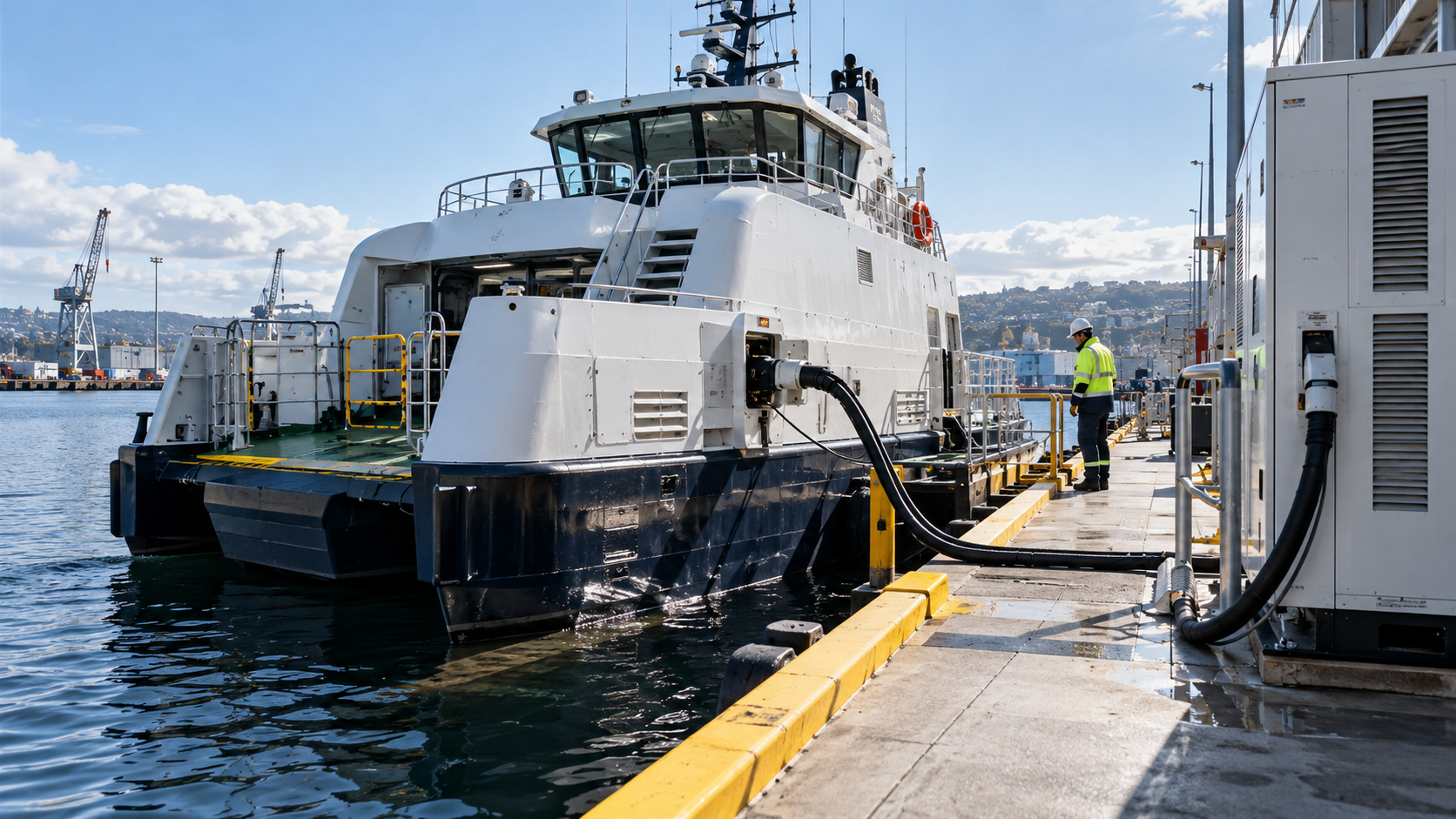
Hybrid architectures can combine batteries, conventional engines, shore power, fuel cells or alternative-fuel systems around the actual duty cycle of the vessel.
Consider the difference between:
A deep-sea vessel operating continuously at relatively stable loads.
A workboat spending significant periods manoeuvring, idling and operating at variable power.
A ferry repeating the same short route every day.
Those are completely different energy problems.
A propulsion architecture designed around the duty cycle can be more valuable than simply adopting whichever technology is receiving the most attention.
Sometimes flexibility is the technology advantage.
The Question Owners Should Be Asking Now
What are we willing to lock in for the next 20 years?
That may be the most important question in this entire discussion.
DNV's 2026 forecast recommends evaluating fleet strategies across multiple possible regulatory futures rather than depending on one prediction.
For a new vessel, that could mean considering:
- dual-fuel capability
- fuel-ready design
- electrical capacity for future upgrades
- modular machinery
- realistic conversion pathways
- battery integration
- space for future systems
But there is another side to this.
Future-proofing is not free.
Unused volume, additional equipment, oversized systems and unnecessary complexity all carry cost.
A vessel should not be loaded with every conceivable future technology simply so it can be described as “future ready.”
The objective is not maximum flexibility.
It is:
Commercially intelligent flexibility.
Build in optionality where it has a credible chance of creating value.
Do not pay for theoretical flexibility that the operation is unlikely to use.
That is a much harder decision.
It is also a much better one.
Regulation Is Moving Too
The regulatory environment remains unsettled.
The IMO Net-Zero Framework has been designed around two major mechanisms: a global fuel standard based on lifecycle GHG intensity and a GHG pricing mechanism. The framework was approved in principle, but formal adoption discussions were adjourned while Member States continued work toward consensus.
DNV's 2026 outlook therefore models multiple regulatory futures rather than assuming one outcome.
For owners, that uncertainty is not a reason to wait indefinitely.
A vessel ordered today will operate through multiple regulatory cycles.
The objective is to make sure the asset still performs commercially when the environment around it changes.
The Global Ocean View
The Biggest Risk May Be Designing for Certainty
The marine industry naturally wants an answer.
Methanol?
Ammonia?
Hydrogen?
Hybrid?
But the market may not give owners one universal answer.
And it may not need to.
Start somewhere more useful.
What does the vessel actually need to do?
Where does it operate?
What is its duty cycle?
How much range does it need?
What infrastructure exists along that route?
What does downtime cost?
How long will the asset remain in service?
Which assumptions are likely to change?
And where would flexibility genuinely create commercial value?
For one vessel, the answer may be methanol.
For another, hybrid.
For another, conventional propulsion with a credible future conversion pathway may still be the strongest business decision.
Ammonia and hydrogen may become increasingly compelling as supply, infrastructure, regulation and operational experience develop.
There is no prize for choosing the technology that sounds most futuristic.
There is enormous value in delivering a vessel that remains safe, productive and commercially viable twenty years after the launch ceremony.
Design for the operation. Engineer for uncertainty.
The Bottom Line
The propulsion transition is happening.
But there is no single starting gun and no single finish line.
Methanol has meaningful commercial momentum.
Ammonia offers significant long-term potential with greater safety and infrastructure demands.
Hydrogen could be powerful in the right operating profile.
Hybrid systems already provide practical flexibility for appropriate vessels.
For owners, the biggest decision is not simply which fuel to select.
It is:
How much change can the next vessel absorb without becoming obsolete, over-engineered or economically compromised?
That question belongs at the very beginning of the design process.
Sources referenced in the supplied article. Regulatory information reflects the supplied copy.